When choosing top-rated firewood for residential and commercial use, select hardwoods like hickory, oak, and maple. website These timber options burn longer and deliver higher heat, while reducing the number of refills because of their density. Verify the moisture content stays below 20% for efficient combustion and reduced smoke production. When evaluating eco-friendly options, prioritize sustainably sourced hardwoods. By adhering to these guidelines, you'll discover firewood that optimizes performance and sustainability-explore key information further.
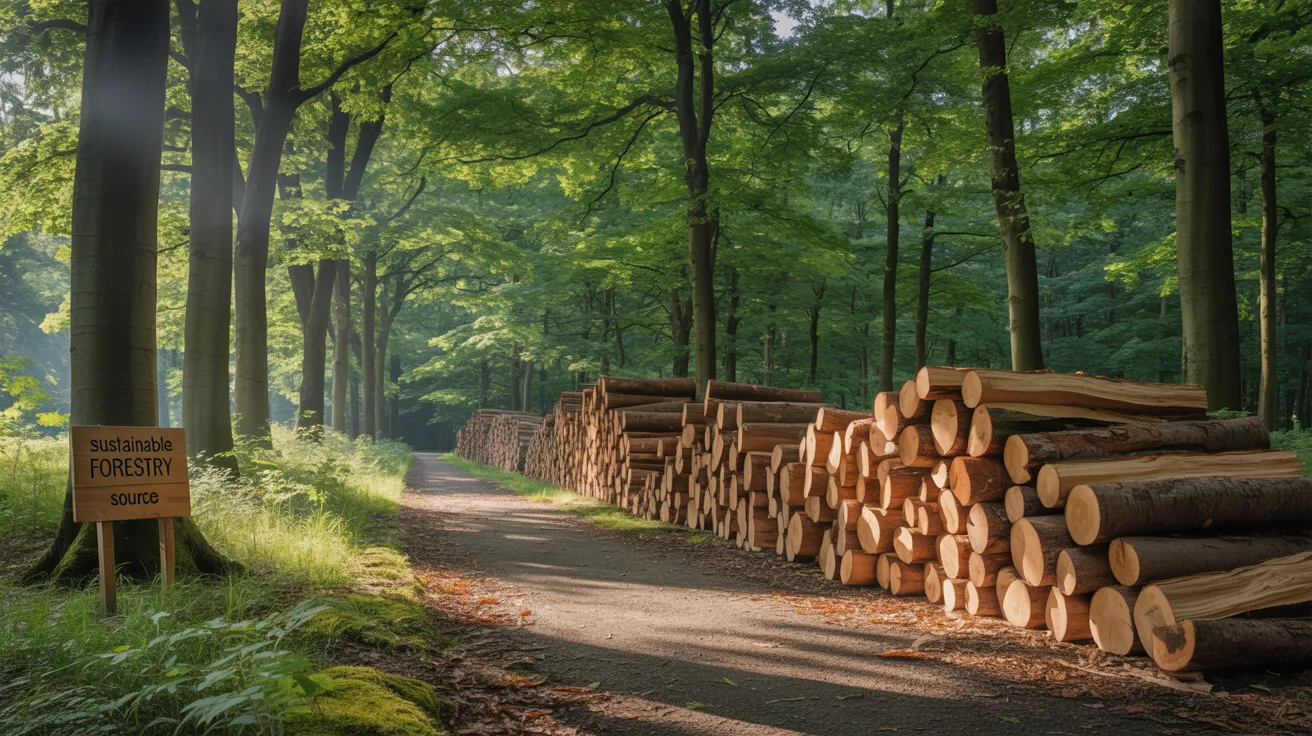
Main Highlights
- Hardwood species such as maple and oak are highly regarded for their exceptional heat output and lengthy combustion period.
- Opt for seasoned firewood with a moisture content below 20% for optimal combustion.
- Opt for hardwood varieties rather than softer wood varieties to lower smoke generation and creosote buildup.
- Choose sustainable wood to maintain responsible firewood usage.
- Obtaining firewood from local sources minimizes the environmental footprint and delivery costs.
Essential Elements to Consider When Picking Firewood
In choosing firewood, understanding key factors can significantly affect your heat output and total contentment. To begin, assess the water content of the wood. Ideally, it should be below 20% to guarantee optimal combustion and decreased smoke production. High moisture content results in suboptimal burning, leading to creosote accumulation in chimneys and higher pollution.
Let's discuss the type of wood. Various woods offer different heat output and burning qualities. Hardwoods typically offer better heat production and extended burning, making them the best choice for consistent heating. On the other hand, softwoods light more quickly and are perfect for kindling. Evaluate your specific needs and storage space when choosing the appropriate wood type. When you consider the right wood type and its moisture level, you'll enhance your firewood experience.
Hardwood vs. Softwood: Which Is Best?
Selecting the right type of wood can greatly enhance your heating performance. Hardwood offers superior benefits, making it a preferred choice for many. It burns longer and delivers more heat, thanks to its compact composition. You'll find hardwoods like oak and hickory especially efficient, as they generate less creosote and smoke, reducing maintenance on heating appliances. Conversely, softwoods, such as fir or pine, have notable drawbacks. They consume more quickly and create more smoke, causing increased creosote buildup, which can be a fire hazard. While softwoods are easier to ignite, they aren't ideal for extended heat. Consider your specific needs and balance the hardwood benefits against softwood drawbacks to select the ideal option for your residence or establishment.
Top Firewood Choices for Home Heating
If you're looking to maximize how efficiently you heat your home, choosing the right firewood is vital. Opt for hardwoods like oak, maple, and hickory, which give you superior heat output due to their compact composition. These woods provide extended burn times and generate more warmth compared to softwoods. Take into account the availability by season of your selected firewood. Oak, for instance, is widely available in many regions, making it a solid selection throughout the cold season. Ascertain your firewood is properly seasoned, with a moisture content below 20%, to enhance burning efficiency and minimize creosote buildup. Stay away from green or freshly cut wood, as it performs poorly and could lead to excessive smoke. By picking the right firewood, you'll boost heat production and maintain a cozy home environment.
The Best Firewood Options for Commercial Applications
For businesses seeking the best firewood for commercial purposes, it's essential to concentrate on efficiency and cost-effectiveness. Initially, select hardwoods such as oak, hickory, and maple thanks to their excellent heat output and longer burn times. These wood varieties decrease the frequency of refueling, creating reduced time and labor costs. Alternatively, softwoods like pine are less economical, depleting more rapidly and creating more creosote. Factor in commercial availability; sourcing locally can minimize transportation costs and ensure timely delivery. Build partnerships with reliable suppliers who provide consistent quality and quantity. Purchase seasoned wood, as it's more dry and burns more efficiently, improving both performance and safety. By carefully picking the right firewood types and ensuring commercial availability, you can maximize your business's heating efficiency and minimize operational costs.
Environmentally Conscious Firewood Choices
While the ecological footprint of firewood is frequently ignored, selecting eco-friendly firewood can greatly reduce your carbon footprint. To accomplish this, concentrate on sustainable sourcing. Choose firewood from sustainably managed forests where trees are replenished to ensure ecological balance. Seek out certifications like FSC (Forest Stewardship Council) that ensure responsible management practices. Dense woods like oak and maple burn more efficiently and produce less smoke, enhancing air quality. Stay away from wood treated with chemicals, as they emit harmful toxins during combustion. By selecting local firewood, you also decrease emissions related to transportation, further lowering your carbon footprint. Implementing these approaches not only aids in environmental conservation but also guarantees a cleaner and more efficient heating solution for your residence or business.
Common Questions & Answers
What's the Best Way to Store Firewood for Quality?
To maintain firewood quality, concentrate on storing wood correctly and controlling moisture levels. Stack the wood off the ground enabling air to flow freely around the wood. Use a tarp to protect the top, but maintain open sides to avoid trapped moisture. Keep the pile in a sunny, dry location to speed up the drying process. Try utilizing wooden pallets to lift the firewood, ensuring rainwater doesn't seep in. Inspect periodically for indications of pest infestation or mold growth.
What Should You Expect to Pay for a Cord of Firewood?
Consider a welcoming hearth as a sign of warmth and comfort, now contemplate firewood costs. You'll find that the typical cost of firewood per cord varies considerably, usually ranging from $120 to $400. Factors affecting this involve the type of wood, local demand, and delivery fees. When measuring a cord, note it's a stacked volume of 128 cubic feet. Always check rates and investigate local suppliers for the best deals.
How Much Time Does Firewood Need to Season?
You should season firewood for between 6 and 12 months to make sure it's properly prepared. Adequate seasoning lowers firewood moisture to less than 20%, which increases burning performance and decreases creosote buildup in chimneys. This process provides important seasoning advantages, like better starting and reduced smoke production. To get the best results, stack the wood in a dry, ventilated area, keeping it off the ground to enable proper air circulation.
Does Stored Firewood Attract Insects and Termites?
Consider firewood similar to a Trojan horse, discreetly attracting pests and termites into your home. It's true, firewood may bring these unwanted guests. For successful pest management, keep it at least 20 feet from your home, ensuring it stays off the ground and moisture-free. This assists in termite prevention, as dampness and soil exposure provide optimal environments. Make sure to conduct routine checks and handle any compromised wood promptly to safeguard your home from these intruders.
Is It Legal to Transport Firewood Across State Lines?
When you're planning to ship firewood across state lines, it's important to be familiar with shipping requirements. States often implement requirements to stop the transmission of harmful organisms. Regulatory reviews may be required to guarantee conformity with requirements. Examine the rules for both your departure state and the arrival state. It's crucial to determine about permit requirements and to observe protocols to avoid penalties.
Final Thoughts
While choosing firewood, consider its performance and ecological footprint. For example, imagine a comfortable home using seasoned oak for its powerful heat, while a bustling restaurant employs kiln-dried birch to keep a consistent flame in its oven. Both scenarios highlight the value of picking the suitable firewood for your needs. Focus on hardwoods for sustained heat and softwoods for kindling. Be sure your firewood is environmentally sourced to protect our forests and minimize your carbon footprint.